The Intersection of Secure Transactions and Progressive Prize Access in Swiss Mobile Gaming Environments
Viktor Washington · Aug 23, 2026
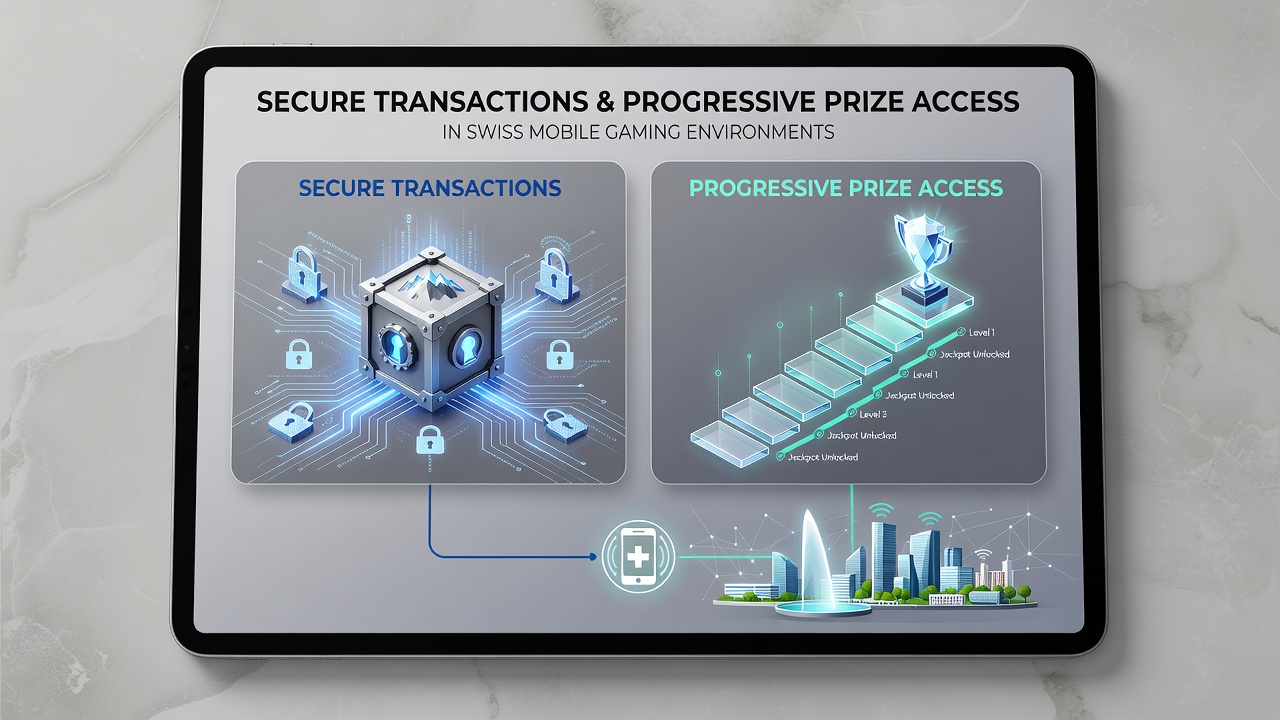
The Intersection of Secure Transactions and Progressive Prize Access in Swiss Mobile Gaming Environments
Swiss mobile gaming environments have developed structured systems where secure transaction protocols directly support access to progressive prize pools, and this connection stems from regulatory requirements established under the Federal Act on Games of Chance and Casinos. Observers note that payment gateways in these platforms integrate multi-layer encryption standards while routing player contributions into shared jackpot networks that grow across multiple devices and operators. Data from industry reports shows participation in progressive systems often requires verified deposits processed through licensed financial channels, and this process ensures eligibility tracking remains accurate for prize distribution.
Regulatory Foundations Shaping Transaction Security
Switzerland maintains oversight through federal and cantonal bodies that mandate specific security measures for all licensed mobile gaming activities, and these rules address both financial data protection and fair allocation of progressive prizes. Research indicates that operators must comply with data protection laws aligned with European standards while implementing real-time monitoring for transaction integrity, which in turn supports transparent prize pool calculations. Figures from regulatory filings reveal that as of early 2026, approved platforms processed millions of secure sessions monthly, and this volume highlights the infrastructure built to handle simultaneous jackpot contributions without compromising user verification steps.
Authorities require two-factor authentication for account funding and prize claims, and this requirement extends to mobile applications where progressive prize access depends on confirmed transaction histories. Those who study these systems find that audit trails created during each payment link directly to jackpot eligibility records, and this linkage prevents disputes over prize qualifications in cross-device scenarios. What's interesting is how cantonal licensing procedures incorporate periodic reviews of these security frameworks, and updates scheduled for implementation around August 2026 aim to incorporate emerging authentication technologies.
Progressive Prize Mechanics in Mobile Contexts
Progressive prizes accumulate through percentage contributions from each qualifying wager, and mobile environments in Switzerland display real-time pool values that update across connected platforms. Studies from European gaming research centers show that access to these growing prizes typically activates only after players complete secure deposit sequences that meet minimum threshold amounts, and this activation process relies on synchronized databases maintained by licensed operators. Evidence suggests integration with third-party jackpot networks allows smaller Swiss platforms to participate in larger prize pools while adhering to local transaction rules.

Payment processors handling Swiss mobile gaming traffic often employ tokenization methods that separate sensitive card details from gaming servers, and this separation maintains security while permitting seamless addition of stakes to progressive meters. Researchers at various institutions have documented cases where delayed transaction confirmations temporarily suspended prize access until verification completed, and such instances underscore the tight coupling between financial processing speed and jackpot participation windows. Data indicates average contribution rates to progressive pools range between one and five percent of wagers, and mobile interfaces must clearly communicate these rates during deposit flows.
Technical Integration of Security and Prize Access
Secure transaction layers in Swiss mobile gaming use protocols such as TLS 1.3 combined with device-specific biometrics, and these tools ensure that progressive prize eligibility data remains protected throughout each session. According to reports from the European Gaming and Betting Association, platforms licensed in Switzerland demonstrate higher adoption rates of end-to-end encryption compared to some neighboring markets, and this adoption directly influences how quickly players can enter prize pools after funding accounts. Observers note that API connections between banking partners and gaming servers facilitate instant eligibility checks, and this speed supports uninterrupted mobile gameplay across different network conditions.
Progressive prize systems log every transaction timestamp alongside wager amounts, and this logging enables accurate reconstruction of prize eligibility during compliance audits. Those who've examined Swiss regulatory filings find that operators must retain these records for several years, and this retention supports both dispute resolution and statistical analysis of prize distribution patterns. What's significant is the role of independent testing agencies in validating that security measures do not introduce delays that affect jackpot access fairness.
Future Developments Around August 2026
Planned regulatory adjustments in August 2026 include expanded requirements for real-time fraud detection in transaction streams, and these changes are expected to influence how progressive prize contributions are monitored across mobile networks. Industry analyses project increased use of blockchain-based verification for prize pool transparency, and such developments could further tie secure transaction logs to jackpot disbursement processes. Data from market intelligence sources shows growing mobile penetration in the Swiss gaming sector, and this growth drives continued investment in infrastructure that links payment security directly to prize access protocols.
Conclusion
The relationship between secure transactions and progressive prize access in Swiss mobile gaming continues to evolve through regulatory updates and technological refinements, and these elements remain interdependent within the licensed environment. Figures reveal consistent growth in verified mobile sessions, and this pattern supports ongoing integration of advanced security features with jackpot systems. Those monitoring developments note that compliance frameworks established by Swiss authorities provide a model for balancing transaction integrity with equitable prize distribution across devices.